Math Explorers – Counting, Numbers & More
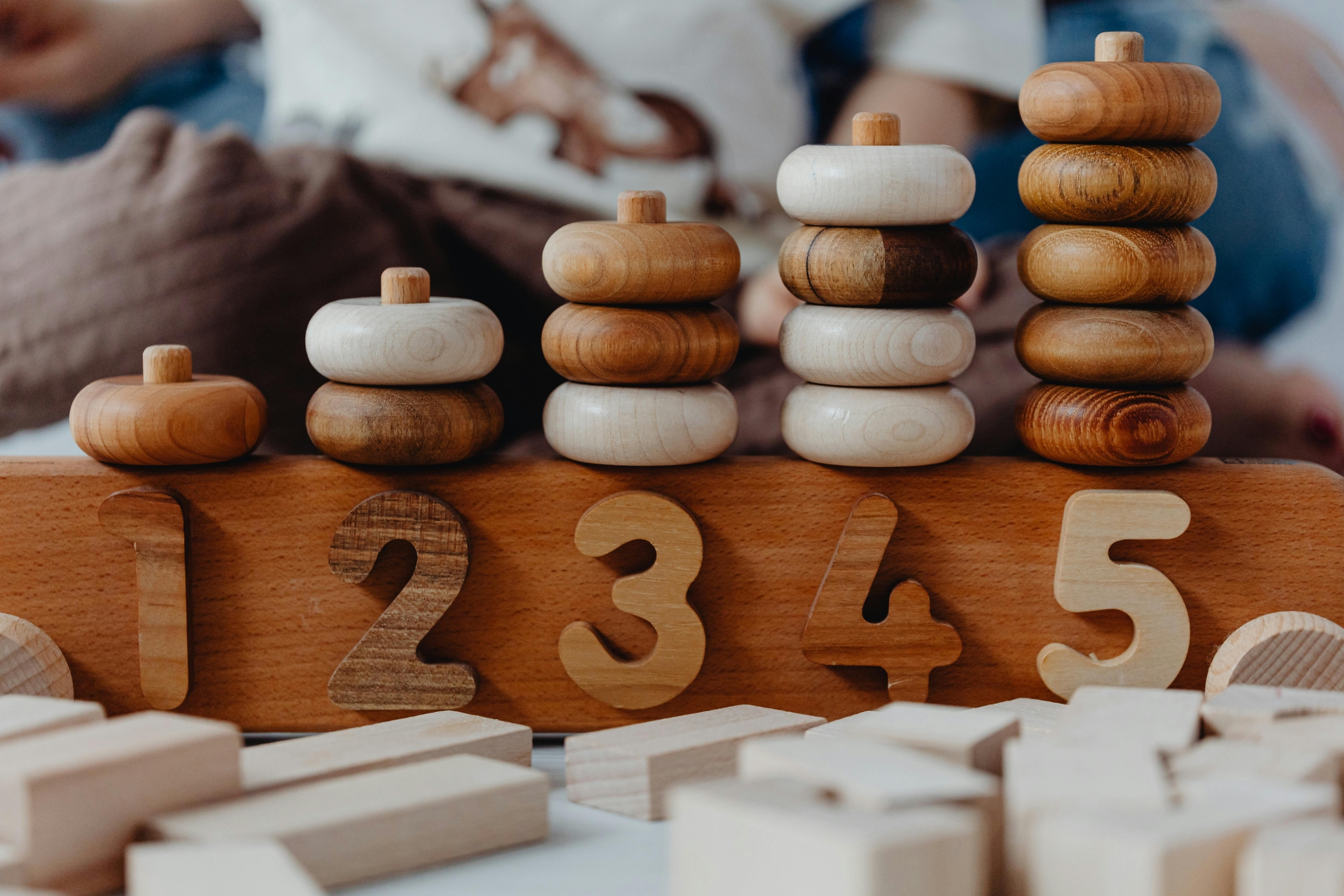
Subject: mathematics
Age Range: 4-5
Teacher: Kristen Freeman
Format: Drop-in
Price: $9 per class
Course Summary
A playful, hands-on virtual math class for preschoolers and kindergarteners that builds counting, number, shape, and pattern skills using fun activities with simple household materials. Skills progress over time, but each class stands alone so children can join anytime.
Course Description
Math is more than numbers—it’s an exciting way to explore the world! In this once-a-week, hands-on virtual class, preschoolers and kindergarteners will build a strong early math foundation through fun games, movement, and activities they can do at home. Students will explore numbers, counting, shapes, patterns, comparing amounts, and beginning math thinking in an engaging, interactive way. Each class uses simple, everyday materials so children can fully participate from home. Lessons include counting objects, tracing shapes in the air, creating patterns with toys or crayons, and comparing groups to see which has more or less. Skills gently progress from basic counting to more complex thinking, but each lesson is a stand-alone experience, so students can join anytime and feel successful right away. By the end of the year, students will be more confident in recognizing numbers, identifying shapes, spotting patterns, and thinking mathematically—all while having fun and developing a love for learning.
Syllabus
📣 Weeks 1–5: Number Foundations ⭐️ Week 1 – Numbers 1 & 2 - Recognizing and counting to 2 - Movement: Hold up 1 or 2 fingers when teacher calls a number - Hands-On: Find 1 item, then 2 items in your space ⭐️ Week 2 – Numbers 3 & 4 - Recognizing and counting to 4 - Movement: Jump 3 times for 3, clap 4 times for 4 - Hands-On: Sort objects into groups of 3 and 4 ⭐️ Week 3 – Numbers 5 & 6 - Recognizing and counting to 6 - Movement: March 5 steps, hop 6 times - Hands-On: Stack blocks or cups to match each number ⭐️ Week 4 – Numbers 7 & 8 - Recognizing and counting to 8 - Movement: Spin in place for 7, stomp for 8 - Hands-On: Draw 7 and 8 shapes (circles, squares, etc.) ⭐️ Week 5 – Numbers 9 & 10 - Recognizing and counting to 10 - Movement: Give 5 high-fives (to the camera!) twice for 10 - Hands-On: Make two piles—one with 9 objects, one with 10 📣 Weeks 6–10: Comparing & Intro to Shapes ⭐️ Week 6 – Review 1–10 - Count forward/backward, mix recognition practice - Movement: Hop in place as you count together - Hands-On: Match number cards to correct number of objects ⭐️ Week 7 – More or Less - Compare two groups, identify which is more or less - Movement: Show more fingers for “more,” fewer for “less” - Hands-On: Compare snack pieces or small toys ⭐️ Week 8 – Equal Groups - Understanding “same number” or equal sets - Movement: Hold arms out straight if groups are equal - Hands-On: Match one object to one object to check equality ⭐️ Week 9 – Shapes: Circle & Square - Identify and describe circles and squares - Movement: Trace shape in the air - Hands-On: Find 1 circle and 1 square around your space ⭐️ Week 10 – Shapes: Triangle & Rectangle - Identify and describe triangles and rectangles - Movement: “Shape Stand” – Stand for triangle, sit for rectangle - Hands-On: Build shapes with pencils, crayons, or craft sticks 📣 Weeks 11–15: Patterns & Number Sense ⭐️ Week 11 – Patterns: AB Patterns - Color, shape, and movement patterns - Movement: Clap/jump, clap/jump following the pattern - Hands-On: Arrange toys in AB order ⭐️ Week 12 – Patterns: ABC Patterns - Introduce ABC pattern structure - Movement: Hop/spin/clap, repeat - Hands-On: Create ABC patterns with crayons or blocks ⭐️ Week 13 – Number Order 1–10 - Put numbers in sequence - Movement: Line up number cards on the floor in order - Hands-On: Match number cards to items ⭐️ Week 14 – Missing Numbers 1–10 - Identify what number is missing from the sequence - Movement: Freeze when a missing number is called - Hands-On: Fill in missing number cards in a line ⭐️ Week 15 – Counting On - Start from a given number and keep counting - Movement: Step for each number counted on - Hands-On: Count on using toys or cereal pieces 📣 Weeks 16–20: Teen Numbers & More Shapes ⭐️ Week 16 – Numbers 11 & 12 - Recognize and count teen numbers - Movement: March and count to 12 - Hands-On: Make 2 groups to show 12 (10 + 2) ⭐️ Week 17 – Numbers 13 & 14 - Recognize and count - Movement: Jump 13 times, clap 14 times - Hands-On: Count items into two groups that add up to 13 or 14 ⭐️ Week 18 – Numbers 15 & 16 - Recognize and count - Movement: Spin 15 times, tap knees 16 times (break into sets) - Hands-On: Arrange items into a set of 10 and a set of 5 or 6 ⭐️ Week 19 – Numbers 17 & 18 - Recognize and count - Movement: Step in place for each count - Hands-On: Count 10 + 7 and 10 + 8 using toys ⭐️ Week 20 – Numbers 19 & 20 - Recognize and count to 20 - Movement: Stomp for each count - Hands-On: Build a tower with 20 blocks or cups 📣 Weeks 21–25: Measurement, Sorting & Beginning Addition ⭐️ Week 21 – Shape Review: All Shapes - Review circle, square, triangle, rectangle - Movement: Air draw shape teacher names - Hands-On: Shape scavenger hunt around the room ⭐️ Week 22 – Sorting by Color - Sort objects into groups by color - Movement: Stand up when holding a certain color - Hands-On: Sort toys, blocks, or crayons by color ⭐️ Week 23 – Sorting by Size - Sort objects into small, medium, large - Movement: Show small with hands close together, large with arms wide - Hands-On: Sort items at home into size groups ⭐️ Week 24 – Measuring with Nonstandard Units - Measure using blocks, crayons, or paper clips - Movement: Pretend to measure teacher’s movements - Hands-On: Measure the length of a book or toy ⭐️ Week 25 – Introduction to Addition (With Objects) - Add two small groups together - Movement: Hold up fingers for first number, then more fingers for the second - Hands-On: Use snacks or toys to solve simple addition problems
Supplies
Printable number cards (provided) Printable shape cards (provided) Blocks, Legos, or stacking toys Small household objects for counting (coins, buttons, cereal, etc.) Crayons or markers Paper (plain or construction)