Health and the Physical Body: The Good and the Beautiful
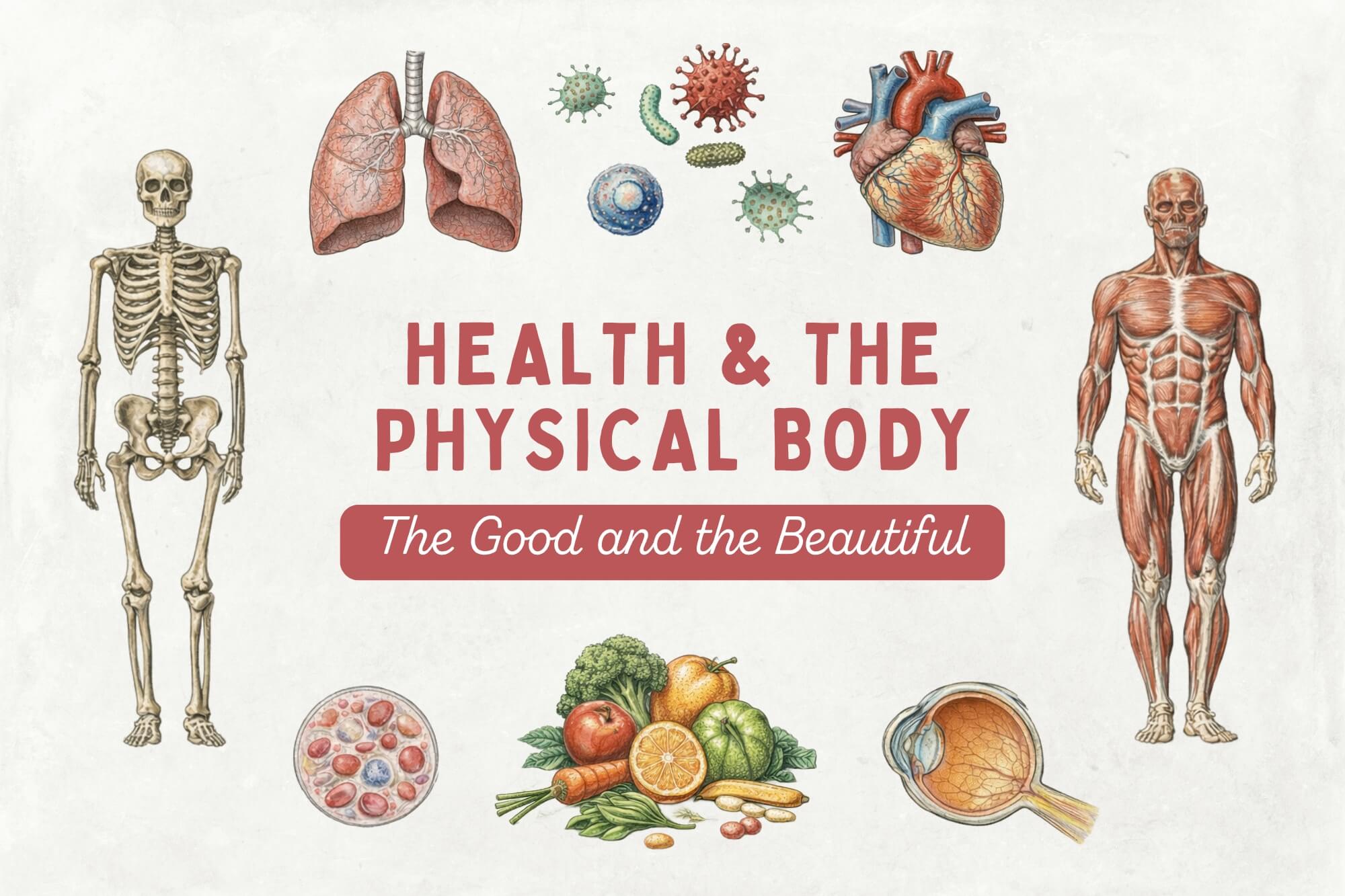
Subject: science
Age Range: 8-12
Teacher: Kristina Eich
Format: 14 classes
Price: $14 per class
Course Summary
Explore the incredible workings of the human body using the Health and the Physical Body Unit from The Good and the Beautiful.
Course Description
In this course we will explore systems of the human body and learn how they work together. Lessons are from The Health and Physical Body Unit from The Good and The Beautiful. Each Student will be required to have both the Health and Physical Body Unit Guide Book and the 3-6 grade Student Book. I will perform all activities on camera and will list all supplies needed for each activities. Students are welcome to gather the needed supplies and perform the activities along with me. Lessons will be be as follows: Lesson 1: How the Body Is Formed Lesson 2: The Digestive System: Part 1 Lesson 3: The Digestive System: Part 2. Lesson 4: The Basics of Nutrition Lesson 5: Vitamins and Hydration Lesson 6: The Renal System Lesson 7: The Circulatory System Part 1: The Heart Lesson 8: The Circulatory System Part 2: Blood Lesson 9: The Respiratory System Lesson 10: The Skeletal System Lesson 11: The Musculoskeletal System Lesson 12: The Integumentary System Lesson 13: Germs and Hygiene Lesson 14: Genes and Unique Features
Content Considerations
We will NOT discuss the human reproductive system in this unit. The first lesson on the formation of the human body focuses on the cell and how the cells work together to form organs and our body.
Syllabus
Lesson 1: How the Body Is Formed Lesson 2: The Digestive System: Part 1 Lesson 3: The Digestive System: Part 2. Lesson 4: The Basics of Nutrition Lesson 5: Vitamins and Hydration Lesson 6: The Renal System Lesson 7: The Circulatory System Part 1: The Heart Lesson 8: The Circulatory System Part 2: Blood Lesson 9: The Respiratory System Lesson 10: The Skeletal System Lesson 11: The Musculoskeletal System Lesson 12: The Integumentary System Lesson 13: Germs and Hygiene Lesson 14: Genes and Unique Features
Supplies
Required: • Health and Physical Body Unit Guide Book • Health and Physical Body 3-6 grade Student Book Optional: Lesson 1: How the Body Is Formed • 1-cup measuring cup • Sand (optional) • Scissors Lesson 2: The Digestive System: Part 1 • Small mirror or access to larger mirror • Apple or other piece of fruit, such as a banana or peach, per child • Glue stick • Colored pencils or crayons • Scissors Lesson 3: The Digestive System: Part 2. • Saltine cracker for each child • 1 piece of sandwich bread • Quart-sized zipper bag • 1/4 cup vinegar, any kind • Clear drinking glass or bowl • 2 Tbsp cooking oil, any kind • 1 Tbsp green dishwashing liquid soap • Spoon or something to stir with Lesson 4: The Basics of Nutrition • Glue stick Lesson 5: Vitamins and Hydration • Paper clip • Pencil, pen, or colored pencils (optional) for each child • Two bowls of the same size • Two or three packages of children’s favorite snacks that include nutrition labels • Kitchen measuring utensils Lesson 6: The Renal System • 2 clear glasses or jars • Water • 2–3 drops of red food coloring • 1 Tbsp of sand or small pebbles • 1 coffee filter • 1 rubber band Lesson 7: The Circulatory System Part 1: The Heart • Empty toilet paper roll Lesson 8: The Circulatory System Part 2: Blood • Pint-sized jar with lid • ¼-cup, ½-cup, and 1-tablespoon measuring utensils • Light corn syrup • Red Hots® cinnamon candies or Hot Tamales cut in 2 • Uncooked white beans • Uncooked split peas Lesson 9: The Respiratory System • 2 bendy straws • Electrical tape • Scissors • Rubber bands • 3 large, uninflated balloons • 64-ounce plastic fruit juice bottle • Clay or play dough • Glue stick Lesson 10: The Skeletal System • Pen or pencil Lesson 11: The Musculoskeletal System • Crayons or colored pencils • 2–3 plastic straws per child • String or yarn • Tape or 5 paper clips per child • Scissors Lesson 12: The Integumentary System • Crayons or colored pencils Lesson 13: Germs and Hygiene • Scratch paper, cut into small pieces • Small saucer or bowl • Black pepper • Dishwashing liquid soap Lesson 14: Genes and Unique Features • 2 pipe cleaner of the same color (not white) • 1 white pipe cleaner per child • Pony beads, 6 different colors per child 20 each of 2 different colors 10 each of 4 different colors • A pencil • Transparent tape • Scratch paper • Mirror